6 Most Sustainable Roofing Options (2026 Roofing Guide)
Across Midlothian, VA and surrounding areas, more homeowners are prioritizing eco-friendly choices when it comes to home improvements.
Across Midlothian, VA and surrounding areas, more homeowners are prioritizing eco-friendly choices when it comes to home improvements. Your roof is one of the most significant investments in your property—and it can also be one of the most impactful areas for sustainability. Choosing sustainable roofing options not only reduces your environmental footprint but can also improve energy efficiency, increase your home’s value, and lower long-term maintenance costs.
With so many roofing materials available today, understanding which ones balance performance, cost, and eco-impact can feel overwhelming. Whether you’re planning a new build or replacing an aging roof, taking the time to learn your choices can help you make a smarter, greener investment. For expert help choosing and installing the best roof for your home, you can explore professional roofing solutions designed to last and perform efficiently.
Here’s what you’ll learn in this 2026 homeowner’s guide:
- What makes a roofing material sustainable
- The top sustainable roofing materials available today
- Ways to enhance your roof’s energy efficiency
- How to compare durability, maintenance, and cost
- When to consult a local roofing expert for installation
Why Sustainable Roofing Matters More Than Ever
Today’s homeowners care about more than aesthetics—they want materials that perform well and make a positive impact. Sustainable roofs are designed to conserve energy, minimize waste, and reduce the overall carbon footprint of your home. Here’s why that matters:
Homeowners in Midlothian, VA and surrounding areas are discovering that sustainability isn’t just good for the planet—it’s also a smart financial move for long-term homeownership.
- Environmental Protection: Eco-friendly roofs reduce landfill waste, often using recycled materials or components that can be recycled again at the end of their life.
- Energy Efficiency: Sustainable materials reflect sunlight and help regulate indoor temperature, leading to lower utility bills year-round.
- Durability and Longevity: High-quality green roofing options tend to last longer, reducing the frequency of replacement and associated waste.
- Increased Home Value: Buyers increasingly favor homes with energy-efficient, environmentally conscious features.
- Financial Incentives: Some eco-friendly roofing systems may qualify for tax credits, rebates, or insurance discounts, depending on your region.
6 Most Sustainable Roofing Options for 2026
When evaluating sustainable roofing choices, consider materials that balance longevity, recyclability, and energy efficiency. Below are six of the best options leading the way into 2026.
1. Metal Roofing
Metal roofing continues to be one of the most popular green roofing choices. It’s made from recyclable materials and can be recycled again after decades of use.
Benefits include:
Metal roofs are ideal for homes in Midlothian, VA and surrounding areas, where summers can get hot. Their reflective surfaces help maintain cooler indoor temperatures.
- Reflects solar heat, reducing cooling costs
- Can last 50 years or more with minimal maintenance
- Lightweight and suitable for most roof structures
- Available in styles that mimic shingles, tile, or slate
2. Cool Roof Systems
Cool roofs use specially coated materials to reflect more sunlight and absorb less heat than traditional shingles. These are perfect for areas that experience high temperatures and direct sunlight.
Features:
Cool roofs can be installed with a variety of materials, including asphalt shingles, metal panels, or tile systems.
- Coated with reflective paint or membranes
- Can reduce surface temperature by up to 50°F
- Help lower air-conditioning costs in warm climates
3. Recycled Shingles
Recycled shingles combine the look of traditional roofing with modern sustainability. They’re made from waste materials like rubber, plastic, and wood fiber, repurposed into durable, attractive panels.
Advantages:
These shingles are an excellent balance between eco-friendliness and affordability, appealing to homeowners who want a green solution without sacrificing style.
- Prevents waste from going to landfills
- Mimics the appearance of slate or wood at a fraction of the cost
- Highly durable and impact resistant
4. Clay and Concrete Tiles
For those looking for timeless appeal, clay and concrete tiles are among the most sustainable and long-lasting materials available. They’re made from natural earth materials that can be recycled and reused.
Key points:
Because they are heavier, proper roof structure reinforcement may be needed, but the longevity and energy efficiency often outweigh the initial cost.
- Extremely durable—lifespans of 50 to 100 years
- Excellent thermal performance for temperature regulation
- Fire-resistant and low maintenance
5. Green (Living) Roofs
Green (Living) roofs —covered with soil and vegetation—are becoming more popular in urban areas and eco-conscious communities. They transform a traditional roof into a living ecosystem.
Benefits:
Although more complex to install, green roofs can significantly enhance sustainability and aesthetic appeal, especially on flat or low-slope structures.
- Absorbs rainwater and improves insulation
- Reduces heat absorption in cities (urban heat island effect)
- Creates natural habitats for pollinators and birds
- Can extend roof membrane life by shielding it from UV rays
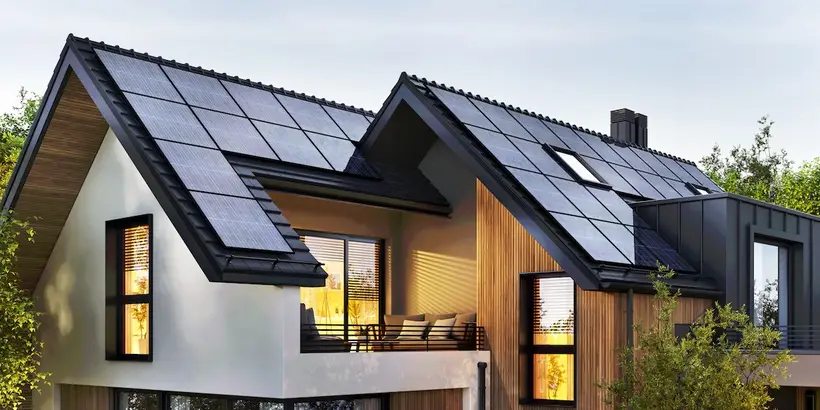
6. Solar Roofing
Solar roofing is a leader in energy innovation. Instead of just covering your home, solar panels generate electricity directly from sunlight, reducing reliance on the grid.
Highlights:
In Midlothian, VA and surrounding areas, where sunlight is abundant throughout much of the year, solar roofing offers an excellent return on investment.
- Produces clean, renewable energy
- Lowers electricity bills and carbon emissions
- Qualifies for federal and state incentives
- Increasingly available as integrated solar shingles rather than bulky panels
Enhancing Sustainability Beyond Material Choice
Choosing the right material is only part of the equation. How your roof is designed, installed, and maintained also influences its sustainability and long-term efficiency.
Prioritize Proper Installation
Even the best materials won’t perform well if installed incorrectly. Poor ventilation, gaps, or fastener errors can lead to moisture buildup and reduced lifespan. Always hire certified professionals who understand modern installation techniques.
Improve Roof Insulation and Ventilation
A well-insulated and ventilated roof can drastically cut energy usage. Insulation helps stabilize indoor temperatures, while ventilation prevents heat and moisture from accumulating in the attic.
Key benefits:
- Prevents ice dams and condensation
- Improves HVAC performance
- Extends roof material life
Plan for Long-Term Maintenance
Sustainable doesn’t mean maintenance-free. Regular cleaning, inspections, and minor repairs keep your eco-friendly roof in top condition.
Schedule annual checkups—particularly after severe weather—to ensure there’s no hidden damage that could shorten your roof’s lifespan.
Comparing Sustainable Roofing Materials
When deciding which option fits your home best, balance environmental impact, performance, and cost. Here’s a quick comparison of key features:
These estimates vary depending on roof design, labor rates, and regional climate conditions, but they provide a general idea of what to expect when budgeting for your roofing project.
- Roofing Type Average Lifespan Energy Efficiency Recyclable Maintenance Level Estimated Cost (per sq. ft.)
- Metal Roofing 50–70 years High Yes Low $7–$12
- Cool Roof 20–40 years Very High Varies Low $6–$10
- Recycled Shingles 30–50 years Moderate Yes Medium $5–$8
- Clay/Concrete Tile 50–100 years High Yes Low $10–$20
- Green Roof 40+ years Very High Partial High $15–$30
- Solar Roofing 25–30 years Exceptional Partial Medium $15–$25
How to Choose the Best Sustainable Roof for Your Home
Every home is different, and your ideal roofing choice will depend on several key factors. Understanding these is key to making the best choice for your roof.
Consider Your Local Climate
Homes in Midlothian, VA and surrounding areas experience both hot summers and moderate winters. Reflective roofs like metal or cool roof systems are great for reducing cooling costs, while insulated options like tile provide excellent year-round comfort.
Evaluate Roof Pitch and Design
Flat roofs can support green or solar roofing systems, while steep-sloped roofs may be better suited for metal, recycled shingles, or tile.
Factor in Long-Term Costs
The initial investment for sustainable roofing may be higher, but the energy savings and durability typically make up the difference over time. Consider both upfront cost and lifetime performance.
Work with Experienced Professionals
An experienced roofing contractor will evaluate your home’s structure, budget, and energy goals to recommend the most practical solution. They can also help you navigate available rebates or tax credits for energy-efficient materials.
Build a Greener Future with a Smarter Roof
Sustainable roofing isn’t just a trend—it’s the future of home construction and renovation. By choosing eco-friendly materials, maintaining proper installation, and prioritizing energy efficiency, homeowners in Midlothian, VA and surrounding areas can enjoy lower utility bills, enhanced comfort, and a positive environmental impact.
Whether you’re interested in metal roofing, recycled shingles, or a full solar upgrade, your choice can make a lasting difference. If you’re ready to explore eco-conscious options for your home, contact us today at Kenneth Daniel Roofing to schedule a consultation with a trusted local roofing expert who can guide you toward the most sustainable solution for your property.